
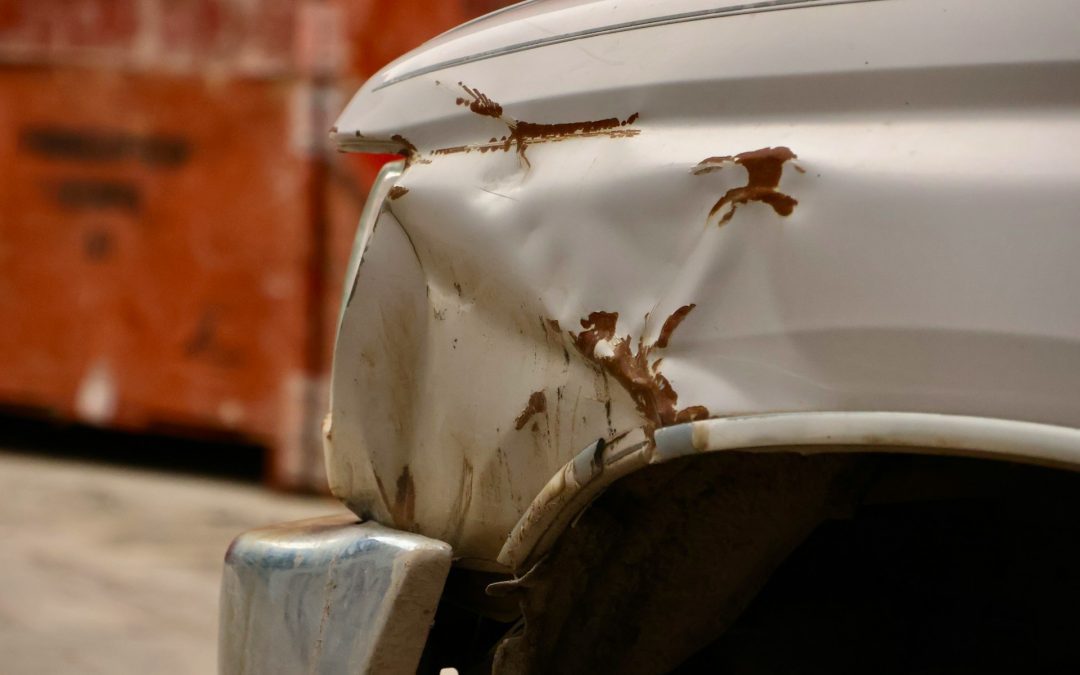
How St. Louis Summer Storms Wreck Your Vehicle Faster
Summer in St. Louis can turn ugly in a hurry. One minute the sun is baking the pavement, the next minute dark clouds roll in, the sky opens up, and you are driving through a wall of water. Heavy downpours, sudden thunderstorms, hail, and quick flash flooding often hit right when people are trying to get home from work.
Those fast-changing conditions make accidents more likely. Visibility drops, roads get slick, and water builds up where you least expect it. A quick tap of the brakes can turn into a rear-end collision. Strong gusts can push debris or tree limbs into the road. Even careful drivers can end up with damage.
When that happens, quick, professional collision repair in St. Louis matters. Storm damage is not only about how your car looks. It can affect how it protects you and your passengers. Our goal here is to help you know what to look for after rough weather, what issues should be checked right away, and how an experienced collision shop can bring your vehicle back to safe condition.
Common Storm Damage After a St. Louis Summer Downpour
After a strong storm, some damage is easy to see. Other problems hide under the surface. Both can affect how your vehicle drives and protects you in the next storm.
Some of the most common weather-related body and collision issues include:
- Hail dents on hoods, roofs, and trunks
- Cracked or chipped windshields and windows
- Bumpers scraped, cracked, or pushed in from low-visibility fender benders
- Side panels or roofs damaged by blown debris or falling tree branches
Flooding and standing water bring another set of concerns. Even if your car keeps running, water exposure can cause:
- Water lines or mud stains along the bottom of doors and bumpers
- Hidden rust risk on the undercarriage and exhaust parts
- Damage to wheels, suspension parts, and brakes from unseen potholes or debris under water
- Contamination in areas that are hard to dry, like inside doors and under carpet
Some storm damage affects key safety parts that are not obvious at first glance. A hard hit or deep pothole can lead to:
- A slightly bent or misaligned frame that changes how the car absorbs a future impact
- Panels that no longer line up correctly, which can affect crumple zones
- Cameras or sensors that are moved just enough to throw off driver-assist systems
- Wiring or airbag parts that should be inspected by a trained collision technician
After any serious storm or flood, a full inspection by a professional shop helps you avoid driving around with hidden problems.
Why Timely Collision Repair in St. Louis Matters
It can be tempting to put off repairs, especially if the car still runs and the damage looks minor. But storm-related collision damage often gets worse with time, not better.
From a safety angle, postponing repairs can lead to:
- A weakened frame that will not protect as well in another crash
- Misaligned wheels that affect braking, steering, and tire wear
- Broken or cloudy lights that make it harder for you to see and be seen in heavy rain
Summer heat makes everything speed up. When paint is cracked or chipped, bare metal can start to rust more quickly in hot, damp conditions. Peeling paint spreads as the metal heats and cools. If water gets into seams or inside panels, it can lead to moldy smells, stained interiors, and wiring issues.
In the St. Louis area, storm chances can stack up day after day. Roads stay busy, and shops can fill up fast after a round of bad weather. Getting collision repair in St. Louis on the calendar early helps you avoid longer waits if another wave of storms hits and many drivers need help at the same time.
From Dents to Frames: How Collision Shops Fix Storm Damage
When you bring your vehicle to a professional collision shop after a storm, there is a clear process that keeps things organized and safe.
It usually starts with:
- A visual inspection and written estimate
- Photos and notes of all damage
- Disassembly of damaged areas so hidden issues can be found
- A repair plan that covers structure, body, and paint
For storm-specific damage, shops may use methods like:
- Paintless dent repair for many hail dents and small dings where the paint is still intact
- Frame straightening with measuring systems to bring the structure back to proper specs
- Windshield and glass replacement when cracks affect visibility or safety
- Careful sanding, priming, painting, and blending so new paint matches the rest of the car
Modern vehicles rely on a lot of technology to keep you safer in bad weather. After repairs, it is important to check:
- Front and rear cameras
- Parking sensors and backup alerts
- Lane assist and other driver-assist systems, if equipped
When these systems are properly checked and set, you are better prepared when the next heavy rain hits.
Handling Insurance After a Summer Storm Crash
Right after a weather-related collision, safety always comes first. If you can, move your vehicle out of the flow of traffic and away from rising water. Turn on your hazard lights so others can see you through the rain.
Once you are safe, it helps to:
- Take clear photos of all visible damage and the surrounding area
- Note any standing water, hail, fallen branches, or damaged signs
- Exchange info with other drivers and get contact info from witnesses if possible
- Write down the time, location, and weather conditions while they are still fresh
When insurance gets involved, the type of coverage can matter. In many cases:
- Comprehensive coverage may apply to hail, falling objects, and some flood damage
- Collision coverage often applies when your vehicle hits another vehicle or object
- Chain-reaction crashes in heavy rain can involve several drivers and multiple claims
Accurate documentation helps the claim move more smoothly. A collision shop that handles storm work on a regular basis can help by sharing detailed estimates, photos, and repair plans with the insurance company and by helping with rental car planning when coverage allows.
Preparing Your Car for the Next St. Louis Storm Season
You cannot control the weather, but you can make your car better prepared before the clouds build again. Simple checks go a long way when the sky opens up.
Good habits include:
- Checking tire tread and pressure so you have better grip on wet pavement
- Making sure brakes feel strong and steady, not soft or shaky
- Replacing worn wiper blades and topping off washer fluid
- Cleaning headlights, taillights, and mirrors so you can see and be seen
Parking and driving choices also matter during summer storms:
- Choose covered parking or garages when hail is in the forecast
- Avoid known low spots or underpasses that tend to flood first
- Slow down in sudden downpours and leave extra space between you and the car ahead
- Stay alert for fallen branches, blown trash, or gravel washed across the road
After any severe storm, pay attention to new noises, vibrations, or changes in how your car drives. Doors that suddenly shut harder, a steering wheel that pulls, or a new rattle from the suspension can all point to hidden damage that deserves a professional look from a local collision repair shop.
Restore Your Vehicle’s Safety And Appearance With Expert Care
When you are ready to get your car back to pre-accident condition, our team at Central Auto Body is here to help with trusted collision repair in St. Louis. We carefully assess structural and cosmetic damage so your vehicle looks great and drives safely again. To schedule an appointment or request an estimate, simply contact us and we will guide you through every step of the repair process.
Recent Comments