
What Really Happens After a Collision Repair Estimate
After a crash, that first estimate can feel like a final answer. You see a total, you see a list of parts, and you expect the bill and timeline to match it exactly. The truth is, that estimate is only the starting point. It is based on what a technician can see while your vehicle is still put together.
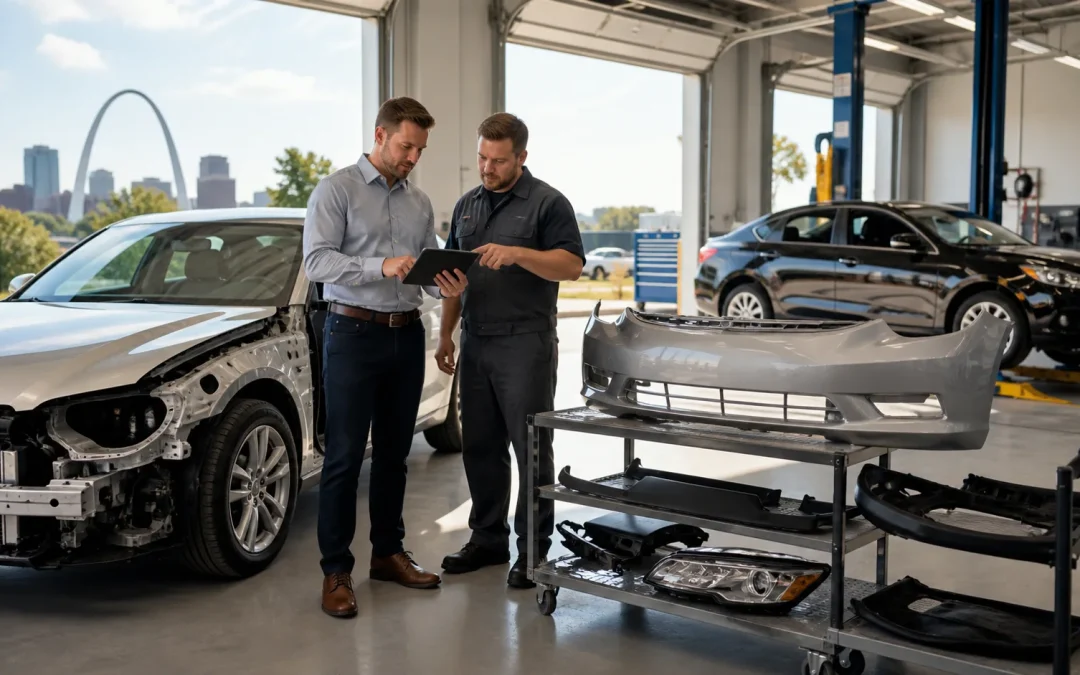
Modern vehicles hide a lot behind plastic bumper covers, inner fenders, trim, and panels. Sensors, wiring, brackets, and structural parts sit out of sight. The real story starts once your vehicle is in the shop and we begin taking it apart. That is when we see what was truly hit, how hard it was hit, and what it will take to return it to safe driving condition.
At a reputable shop offering auto body repair in St. Louis, like ours in Maplewood, the repair process usually looks like this:
- Initial estimate while the vehicle is still assembled
- Tear-down and full inspection
- Supplements for any added damage or needed labor
- Parts ordering and scheduling
Each step can change the final cost, the time your car is in the shop, and the plans your insurance company makes with you.
Tear-Down: The Step That Reveals Hidden Damage
Tear-down means we carefully remove damaged and nearby parts so we can see the full picture. This might include:
- Bumper covers and reinforcement bars
- Headlights, taillights, and grilles
- Fenders, splash shields, and related trim
- Some interior trim, trunk liners, or underhood covers
Once those parts are off, we can see the structure and safety pieces underneath. Some of the hidden issues we often find are:
- Bent frame rails or crumple zones
- Damaged crash sensors or wiring for safety systems
- Twisted radiator supports or cooling parts pushed back
- Hidden rust around mounting points that were hit
On city streets or highways around St. Louis, even a “minor” hit can push damage deeper than it looks. After storms, we also see hail damage and water exposure that may have affected wiring or sensors behind panels.
This is why the final repair plan and price often change after tear-down. If we only worked off the first estimate and ignored what we found later, your vehicle might look fine but still be unsafe. Updating the plan is not about inflating a bill. It is about making sure hidden damage is fixed, especially in areas that affect how your vehicle protects you in a second crash.
Understanding Supplements and Why Your Estimate Changes
Once tear-down is complete and we find extra damage, we write what the industry calls a “supplement.” In simple terms, a supplement is an update to the original estimate. It lists:
- Extra parts that must be replaced
- Added labor hours for repairs now visible
- Any new procedures needed, like extra paint steps
At our shop, we work directly with insurance companies to keep this process smooth. We document what we find with photos and repair notes, measure damaged areas when needed, and share that information with the adjuster. This is standard in auto body repair in St. Louis and across the country. It is not a sign that anyone is trying to overcharge you.
Common supplement situations include:
- Bolts or clips that snap during disassembly because they were already stressed
- Structural pieces that looked fine from the outside but are bent once panels come off
- Extra refinish time because damage spread into another panel that must now be blended
Supplements can affect both your final bill and how long repairs take. Each time we add new items, the insurer has to review and approve them. While that happens, we plan our work so your car spends as little time waiting as possible.
Parts Delays, Backorders, and the Real-World Repair Timeline
Modern vehicles rely on very specific parts. Bumpers, crash bars, brackets, sensors, and clips are all designed to work together. For safety systems like airbags and driver-assist sensors to work properly, parts must fit exactly as designed.
There are a few common reasons parts can be delayed in the St. Louis area:
- Regional hailstorms that create a sudden spike in bodywork
- Supply chain slowdowns for certain brands or models
- Backordered parts on older or less common vehicles
During a parts delay, we are not just sitting and waiting. At our shop, we typically:
- Plan repairs in a smart order so we can work on other areas while we wait
- Store vehicles in a secure area so they are protected while off the road
- Keep you informed about status and updated completion dates
- Talk with your insurer about safe alternative parts if the original option is not available
The goal is to keep the job moving without cutting corners on safety or quality. Sometimes that means holding out for the correct part instead of rushing to install something that does not fit quite right.
How Tear-Down and Delays Affect Your Final Bill
When you see your final repair bill, it is usually made up of a few main categories:
- Labor to repair, remove, install, and refinish parts
- Parts, either new OEM or approved alternatives
- Materials like paint, primer, and clear coat
- Sublet services such as wheel alignments or system calibrations
Once we know the full extent of the damage, each of these can change. A bent support may add labor hours. A cracked sensor bracket may add a new part. Extra panels that need paint will add materials and refinish time.
Your insurance deductible is what you pay out of pocket. The insurance company pays the rest of the approved repair cost. When a supplement is added, it usually increases only what the insurer pays. Your deductible typically stays the same, unless you decide to add non-covered extras, like cosmetic upgrades.
Drivers often ask:
- Why did my bill go up compared to the first estimate?
- Why did repairs take longer than I was first told?
The answer, most of the time, is hidden damage and parts availability. A shop that works transparently will document every change, show you what was found, and get your approval before moving forward with anything that affects your share of the cost.
Smart Steps to Protect Yourself and Your Vehicle in St. Louis
You cannot control when another driver hits you or a hailstorm sweeps across the area, but you can make smart choices after damage happens. A few tips for St. Louis drivers are:
- Choose a reputable auto body shop with a clear repair process
- Ask how they handle tear-down, supplements, and communication
- Request regular updates on parts status and estimated completion
- Keep all your paperwork and estimate updates in one place
Late summer can bring storms and hail in our area. If your vehicle is hit, it helps to:
- Take clear photos of all visible damage from multiple angles
- Note any warning lights, odd noises, or leaks right away
- Get repairs on the calendar before body shops reach peak backlog
At Central Auto Body, we have been serving Maplewood and the greater St. Louis area for many years, handling collision repair, frame work, paint, hail damage, PDR, and fleet repairs. Our focus is simple: clear explanations, safety-focused repairs, and honest communication about what your vehicle needs, how long it may take, and why the plan can change after that first estimate.
Restore Your Vehicle’s Safety and Appearance With Expert Care
If your car has been damaged, we are ready to help you get back on the road with safe, reliable repairs. Learn more about our high-quality auto body repair in St. Louis and how Central Auto Body brings your vehicle back to its pre-accident condition. When you are ready to move forward, simply contact us and our team will walk you through the next steps.
Recent Comments