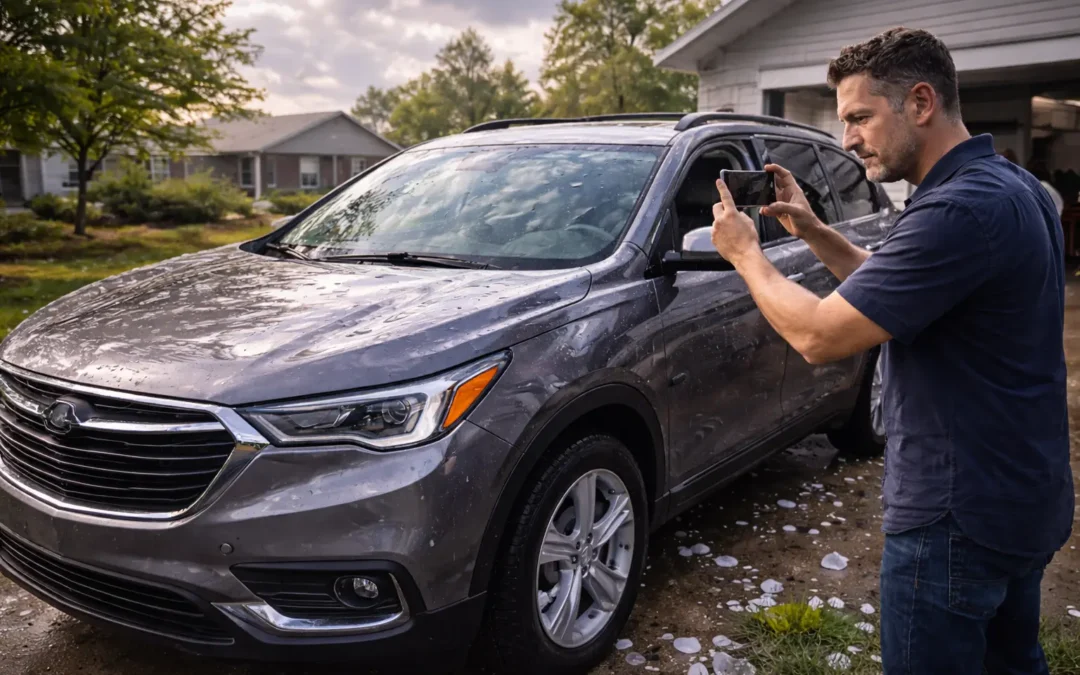
A St. Louis hailstorm can turn a perfectly good car into a dented worry overnight. One moment, everything looks fine in your driveway, and the next, you’re staring at a hood and roof covered in dimples. If you’re searching for car repair hail damage St. Louis, you’re likely asking the same questions many local drivers do: What actually needs fixing? Is this just cosmetic? And how long can I safely wait?
With unpredictable Midwest weather, packed parking lots, and daily commutes throughout St. Louis County, hail damage is something most drivers here experience at least once. The challenge isn’t just the dents you can see, it’s the damage you can’t. Cracked paint, stretched panels, and hidden issues beneath the surface can quietly lead to rust, paint failure, or reduced resale value if they’re ignored.
This guide is designed for everyday drivers, families, commuters, rideshare drivers, and small business owners who want clear, honest answers without pressure or confusion. You’ll learn what signs you can safely check yourself, which issues should never be ignored, and when it makes sense to bring your vehicle to Central Auto Body Rebuilders, a trusted St. Louis collision repair shop for a professional inspection and expert repair.
What Car Repair Hail Damage St Loius Means for St. Louis Drivers
In plain terms, car repair hail damage St. Louis means addressing more than just surface dents. It refers to the full range of repairs needed after a hailstorm—fixing dents and creases, repairing cracked or chipped paint, and identifying hidden issues that may not be obvious at first glance but can cause problems over time. Because hailstorms are so common in the St. Louis area, this type of damage often requires a trained eye to evaluate properly.
At Central Auto Body Rebuilders (CAB), hail damage repair is tailored to the condition of each vehicle and may include:
- Paintless Dent Repair (PDR) for minor dents where the paint surface is still intact
- Auto body repair when panels have been stretched, distorted, or cracked by impact
- Auto painting and refinishing to protect exposed metal and restore a smooth, factory-quality finish
- Frame and structural inspections to rule out more serious damage that could affect safety or alignment
- Insurance claim assistance to help reduce paperwork, delays, and frustration during the repair process
The goal isn’t just to make your car look better when you pick it up. It’s to restore the vehicle’s safety, drivability, and long-term value, protect it from rust and paint failure, and give you confidence that the repair was done correctly, not just quickly.
Signs It’s Time to Have Your Vehicle Inspected
Visible dents across the hood, roof, or trunk
- What you may notice: Small dimples, shallow dents, or clusters of marks that catch the light when you walk around the vehicle.
- What it usually means: This is the most common type of hail impact damage. While it often looks cosmetic, the metal beneath the paint can be stretched.
- Next step: Paintless Dent Repair (PDR) may be a great option if the paint is still intact. A professional inspection at CAB can confirm whether PDR will restore the panel properly.
Cracked or peeling paint
- What you may notice: Chips, spiderweb cracking, or areas where paint is lifting after the storm.
- What it usually means: The protective paint layer has been compromised, leaving bare metal exposed.
- Why it matters: Exposed metal can begin to rust surprisingly fast, especially with St. Louis’ humidity and winter road salt.
- When to call CAB: Repainting and refinishing are time-sensitive to prevent corrosion and further damage.
Doors or trunk not closing smoothly
- What you may notice: Panels that feel tight, uneven, or require extra force to close.
- What it usually means: Hail impact may have slightly distorted the panel or surrounding structure.
- Immediate action: A professional inspection is recommended to prevent alignment issues from worsening.
New rattling or buzzing noises
- What you may notice: Sounds that weren’t there before, especially when driving over bumps.
- What it usually means: Loose fasteners, brackets, or components beneath body panels.
- Don’t ignore it: These issues can worsen over time and may lead to additional repairs if left unchecked.
Safety note: For your safety, avoid climbing onto your vehicle, using improper jacking methods, or attempting DIY dent pulling, especially on roofs, pillars, or other structural areas. Modern vehicles are designed with specific safety zones, and improper repairs can do more harm than good. When in doubt, it’s always safest to let trained professionals at Central Auto Body Rebuilders take a look.
A Local St. Louis Hail Damage Repair Story
A St. Louis County commuter brought in a late-model SUV after a spring hailstorm left dozens of dents scattered across the roof and hood. At first glance, the damage looked overwhelming, and the owner was concerned about long-term value and whether repainting would be necessary.
The CAB team started with a thorough inspection, checking not only the visible dents but also the underlying panels and structure to make sure there were no hidden safety concerns. Once it was confirmed that the paint was intact and no structural damage was present, CAB recommended Paintless Dent Repair (PDR) as the best solution.
Using specialized tools and proven techniques, the dents were carefully removed without repainting or replacing panels. CAB also worked directly with the insurance company, keeping the process smooth and stress-free. When the SUV was returned, the body lines were clean, the paint looked factory-original, and the owner drove away relieved no dents, no lingering worries, and no unnecessary downtime.
When It’s Time to Schedule a Hail Damage Inspection
- Visible hail dents or creases
Even small dents can mean the metal has been stretched. A professional inspection can determine whether PDR is enough or if traditional repair is needed. - Cracked or chipped paint
Once paint is damaged, moisture can reach bare metal and start corrosion. Addressing this early helps protect your vehicle’s finish and long-term value. - Panels that don’t align properly
Uneven gaps around doors, the hood, or the trunk can signal panel distortion or underlying issues that should be checked by a collision repair professional. - Warning lights appear after a storm
Dashboard lights can indicate sensors or systems affected by impact. These should never be ignored after hail or collision damage. - Insurance approval, but no repair shop chosen yet
You have the right to choose where your vehicle is repaired. CAB works with all major insurance companies and can help you move forward with confidence.
If any of these sound familiar, the next best step is to schedule a free estimate or inspection with Central Auto Body Rebuilders and get clear, professional guidance on what your vehicle truly needs.
FAQs About Hail Damage Repair in St. Louis
1. Can hail damage be fixed without repainting?
In many cases, yes. If the paint surface hasn’t been cracked or chipped, Paintless Dent Repair (PDR) can often remove hail dents while preserving the factory finish. The best way to know for sure is with a professional inspection, and CAB is happy to provide a free estimate to explain your options clearly.
2. Will insurance cover hail damage repair?
Most comprehensive auto insurance policies do cover hail damage. Central Auto Body Rebuilders works directly with insurance companies to help handle paperwork, approvals, and communication, making the process smoother and less stressful for you.
3. Is it okay to delay hail damage repair?
Minor-looking damage can lead to bigger problems over time, including rust, paint failure, or reduced resale value. Even if you’re unsure about repairing right away, a quick inspection can help you make an informed and safe decision.
4. How long does hail damage repair usually take?
Repair time depends on the number of dents and the type of repair needed. Some PDR jobs can be completed in just a few days, while repairs involving repainting may take longer. CAB provides realistic timelines, so you know what to expect from the start.
5. Do I have to use my insurance company’s recommended repair shop?
No. Missouri law allows you to choose the auto body shop you trust. CAB works with all major insurers and focuses on proper repairs that meet safety and quality standards, not shortcuts.
Schedule Your Free Hail Damage Estimate
If you’re dealing with car repair hail damage in St. Louis, the right repair does more than restore appearance, it protects your safety, your vehicle’s value, and your peace of mind. Hail damage may seem minor, but fixing it properly helps prevent long-term issues.
Central Auto Body Rebuilders combines local experience, professional equipment, and insurance expertise to make the process easy and stress-free.
Schedule a free hail damage repair estimate with Central Auto Body Rebuilders today.
Recent Comments