When Spring Storms Leave Lasting Damage
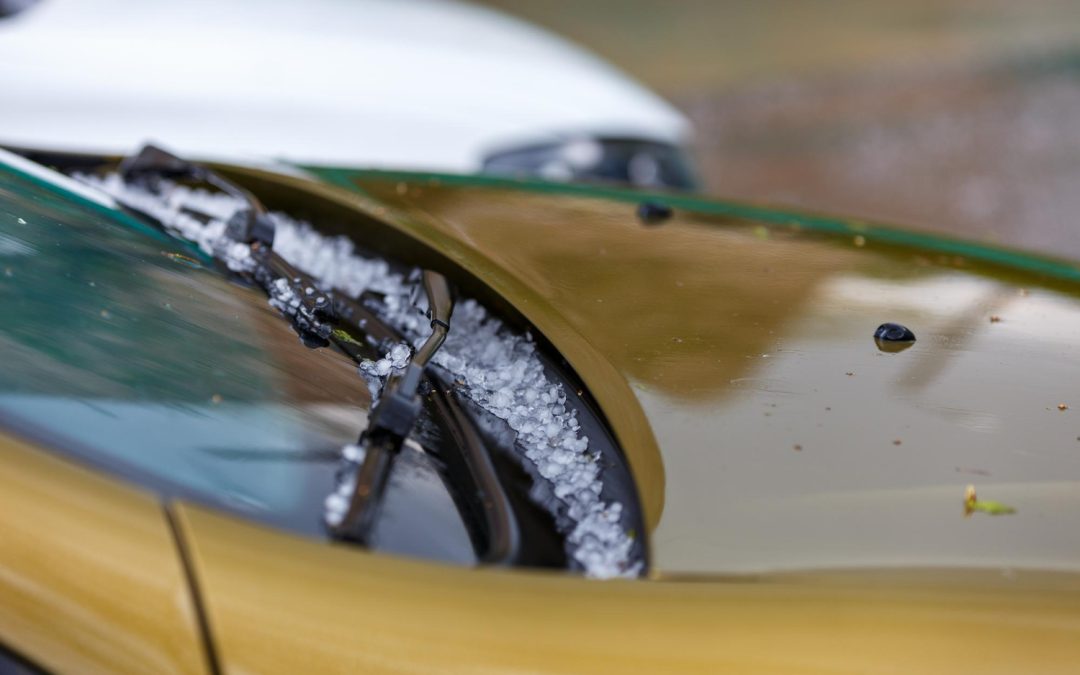
Hail can move in fast in the St. Louis area. One minute the sky looks fine, the next you are hearing ice pellets bounce off your roof and hood. Those few minutes can leave your vehicle covered in dents, cracked paint, and broken glass.
Hail damage in St. Louis is more than a simple cosmetic problem. Dents and chips can affect how panels line up, how safe your vehicle feels on the road, and how much it is worth when you go to sell or trade it. Even if the dents seem small, damage that reaches the paint or metal can lead to rust and long-term issues.
Paintless dent repair, or PDR, is a great solution for many hail dents. But not every storm leaves behind damage that PDR can safely fix. When hail hits harder, you need a full-service collision shop that can handle everything from minor dents to frame and structural repairs, all in one place.
When Paintless Dent Repair Is the Right Choice
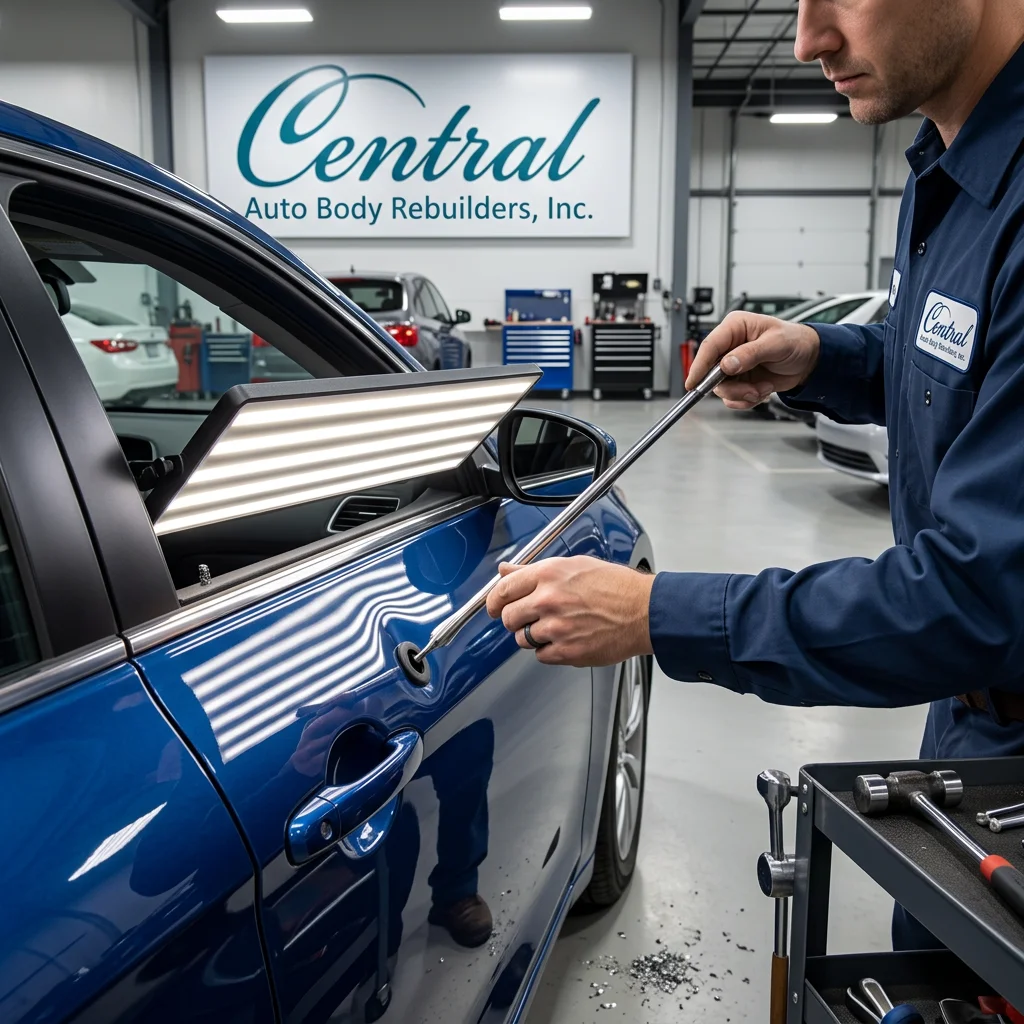
PDR is a repair method where technicians gently work the metal from behind the panel or from the outside to massage dents out. The goal is to remove the dent without sanding, filling, or repainting. When conditions are right, it keeps the original factory paint untouched.
PDR is often the preferred choice for hail dents because it:
- Preserves the factory finish
- Has a faster turnaround in many cases
- Avoids heavy bodywork on clean panels
- Can help maintain long-term vehicle value
It works best when:
- Dents are small to medium in size
- The paint is not cracked, chipped, or missing
- The back side of the panel is accessible
- The metal is not sharply creased or stretched too far
Good shops in our area will always lean toward PDR first when it is safe and effective. Keeping original paint on the vehicle as much as possible is usually better for strength, appearance, and resale value. The key is knowing when PDR is enough and when it is not.
Signs Your Hail Damage Needs More Than PDR
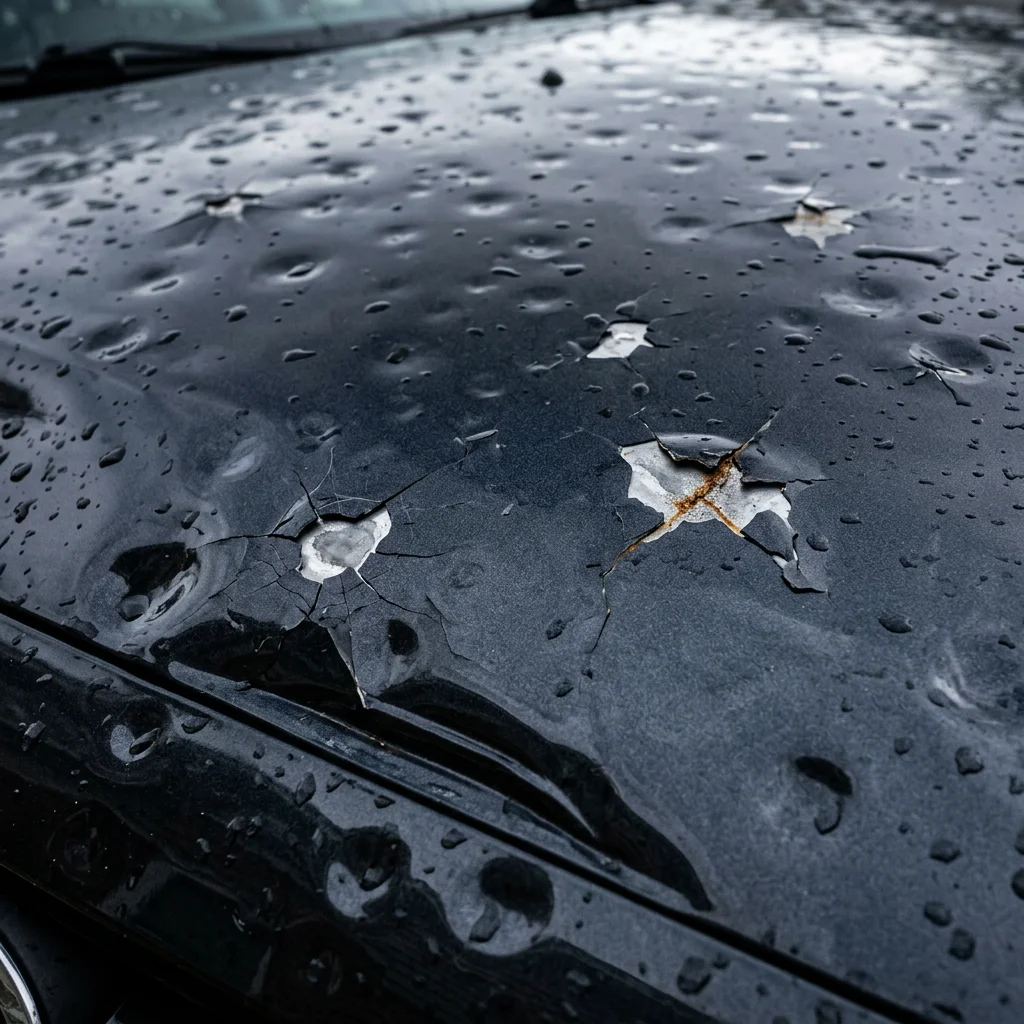
After a strong storm, some hail damage is simply past the point of paintless repair. A quick walk around your vehicle can show you a lot. There are clear warning signs that your car or truck needs more than PDR alone.
Watch for these red flags:
- Chipped, cracked, or missing paint
- Exposed bare metal anywhere on the panel
- Sharp creases or dents with hard edges
- Panels that look wavy or buckled, not just dimpled
Structural concerns are just as important. Hail can stretch the metal on your roof or hood so much that pushing the dent out will not bring back the proper shape. Dents near edges, seams, or strong body lines are also harder to fix with PDR alone. If hail has affected bracing, internal supports, or created oil canning where the panel pops in and out, that is another sign you need more complete repairs.
Other damage that usually calls for full-service work includes:
- Broken or cracked glass
- Bent or broken trim and moldings
- Misaligned doors, hoods, or liftgates
- Leaks or wind noise that started after the storm
When you see several of these issues together, it is time to think beyond paintless repair and look at a full-service hail repair plan.
How Full-Service Hail Repair Works Step by Step
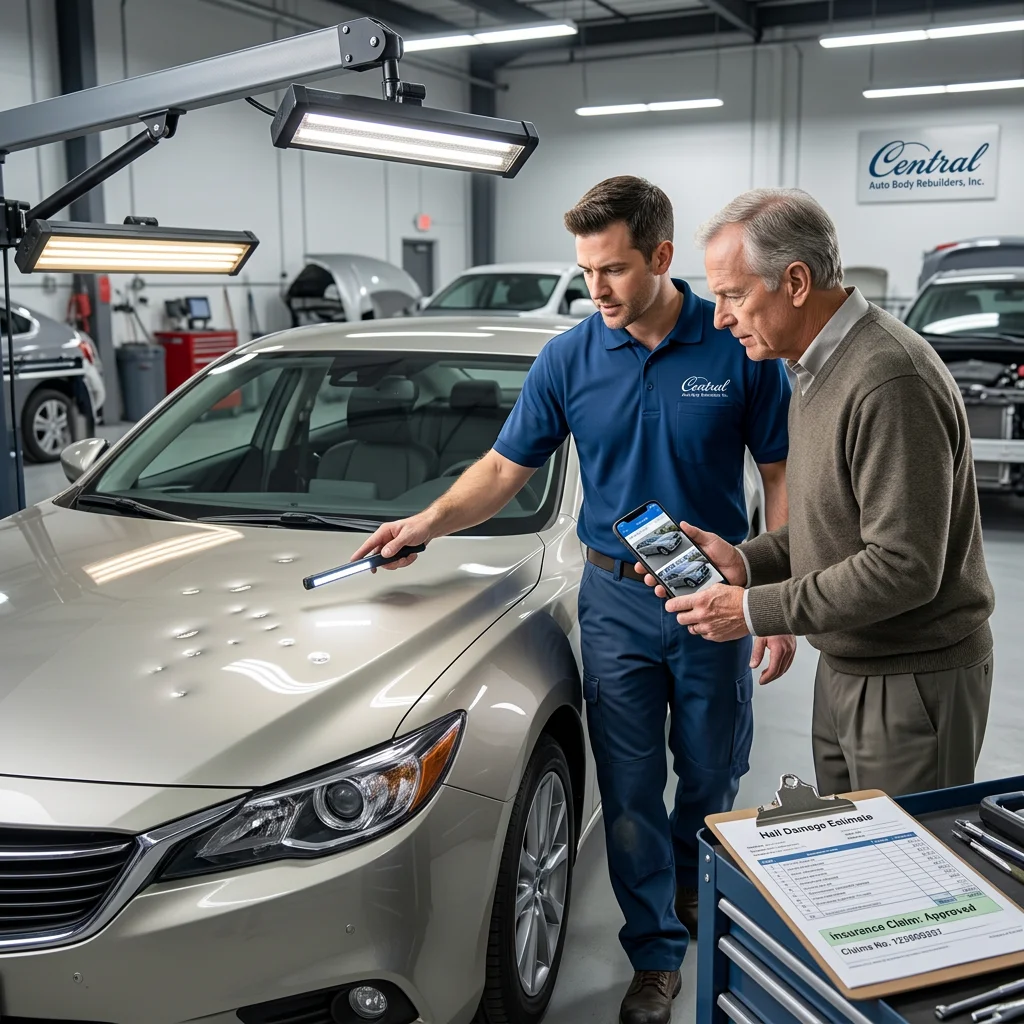
At a full-service collision shop, hail repair starts with a careful inspection. We use proper lighting, tools, and angle views to see dents that are hard to catch in normal daylight. Then we talk through what we find, explain repair options, and help line up what is needed for an insurance claim, including photos and written notes.
If PDR can handle all or most of the damage, we will explain that. When conventional body repairs are needed, the process usually looks like this:
- Remove trim, lights, or parts to access damaged areas
- Decide if panels should be repaired or replaced
- Straighten metal and use body filler only where it is appropriate
- Sand, prime, and refinish with color-matched paint
- Blend nearby panels when needed so color looks even
- Bake or cure the finish, then polish and inspect
A full-service shop will also coordinate directly with your insurer. That includes helping with approvals, explaining what a supplement is if hidden damage is found after tear-down, and keeping the repair process moving. The goal is to restore your vehicle correctly without keeping it off the road longer than necessary.
Insurance, Estimates, and Avoiding Repair Shortcuts
Most drivers who carry comprehensive coverage are protected when hail hits. You usually pay your deductible, and the insurance company covers the rest of the approved repairs. Using your coverage to fix hail damage the right way helps protect your vehicle for the long run.
When you look at an estimate for hail damage in St. Louis, check for:
- Clear line items for PDR versus traditional bodywork
- Separate entries for paint, materials, and parts
- Notes on glass, trim, and any structural checks
- Space for supplements if more damage is found later
Be careful about “storm chaser” operations that appear right after a big hailstorm. Many set up in parking lots or temporary spaces, offer quick fixes, then move on. They may skip proper refinishing, ignore internal damage, or avoid working with your insurer in a clear way. A local, established collision center that has been in the St. Louis area for many years is more likely to stand behind the work and be there if you need follow-up help.
Protecting Your Vehicle Before and After the Next Storm
Hail season tends to ramp up in the late spring around here, but storms can pop up outside that window too. While you cannot control the weather, you can take simple steps to lower your risk and be ready.
Before storms, try to:
- Use covered parking or a garage when you can
- Pay attention to severe weather alerts and forecasts
- Know in advance which shop you trust if hail hits
- Keep your insurance information handy
If a storm does catch you, and your vehicle ends up damaged, take these steps:
- Walk around the vehicle and take clear photos of dents and broken parts
- Avoid pushing on dents or trying DIY fixes that can stretch metal or chip paint
- Cover broken glass areas to keep out water if it is safe to do so
- Contact a trusted collision center quickly so damage does not have time to rust or spread
After quality repairs, basic care helps keep your finish looking good. Regular washing removes road film and salt. Waxing as recommended can help protect the paint surface. Periodic checks around common hail-hit areas like the roof, hood, and trunk lid can help you catch any small chips early so they can be addressed before they turn into bigger problems.
Restore Your Vehicle’s Value And Peace Of Mind Today
If your car has been caught in a recent storm, we can quickly assess and repair hail damage in St. Louis so you are back on the road with confidence. At Central Auto Body, we use proven repair techniques to protect your vehicle’s appearance and long-term value. Reach out to our team with a few details about your vehicle and photos of the damage, and we will provide a clear repair plan. To schedule an appointment or ask a question, simply contact us today.
Recent Comments