
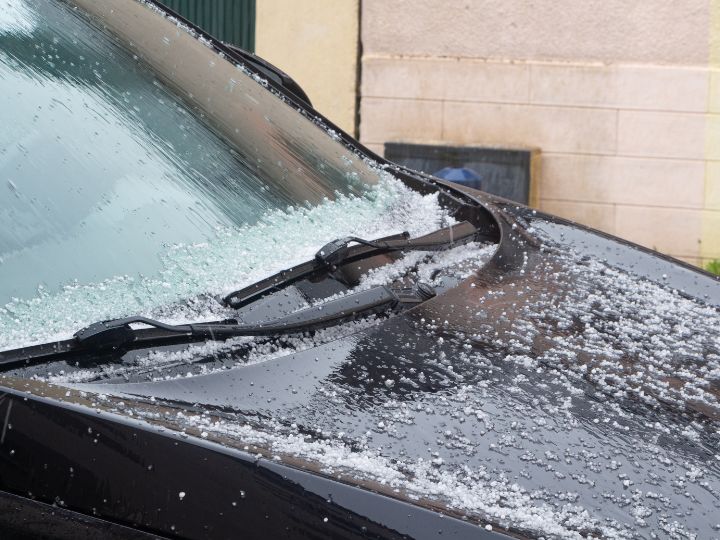
Hailstorms can strike with little warning, leaving your vehicle peppered with dents and damaged paint. While the sight of your car after a severe hail event can be disheartening, understanding the repair process can help you navigate this challenging situation with confidence. This comprehensive guide covers everything you need to know about hail damage repair, from initial assessment to final restoration.
Understanding Hail Damage
Hail damage varies significantly depending on the size of the hailstones, wind conditions, and duration of the storm. Small hail (pea-sized) might cause minor dimpling on your vehicle’s surface, while larger stones can create significant dents and even crack windshields or damage body panels beyond repair.
The most commonly affected areas include the hood, roof, trunk, and any horizontal surfaces where hail can strike directly. Vertical surfaces like doors and fenders may also show damage if the storm included strong winds that drove hail at angles.
Types of Hail Damage
Minor Damage: Small dents without paint damage, typically from hail smaller than a quarter. These often respond well to paintless dent repair (PDR).
Moderate Damage: Larger dents with possible paint chips or scratches. May require a combination of PDR and traditional bodywork.
Severe Damage: Extensive denting with paint damage, cracked glass, or damaged trim pieces. Often requires panel replacement or comprehensive bodywork.
The Hail Damage Repair Process
Initial Assessment and Documentation
The repair process begins with a thorough inspection of your vehicle. Professional technicians will document every dent, scratch, and area of damage using specialized lighting and measuring tools. This detailed assessment serves multiple purposes: creating an accurate repair estimate, providing documentation for insurance claims, and establishing a roadmap for the restoration process.
During this phase, technicians will determine which areas can be repaired using paintless dent repair techniques and which will require traditional bodywork or panel replacement. They’ll also check for hidden damage that might not be immediately visible, such as damaged trim pieces or compromised paint integrity.
Paintless Dent Repair (PDR)
For many hail damage cases, PDR is the preferred method. This technique involves carefully massaging dents out from behind the panel using specialized tools, preserving the original paint finish. PDR is most effective on smaller dents where the paint hasn’t been compromised.
The process requires significant skill and experience, as technicians must access the back side of panels through existing openings or by carefully removing interior panels or trim pieces. Each dent is worked gradually, with technicians using various tools to apply precise pressure until the metal returns to its original shape.
Traditional Bodywork
When dents are too large for PDR or when paint damage has occurred, traditional bodywork becomes necessary. This process may involve pulling larger dents, applying body filler, sanding, priming, and repainting affected areas.
For severe damage, entire panels might need replacement. This involves removing the damaged panel, installing a new one, and ensuring proper alignment and finish matching. The replacement panel must then be painted to match the existing vehicle color perfectly.
Quality Control and Final Inspection
Once repairs are complete, vehicles undergo rigorous quality control checks. Technicians inspect the work under various lighting conditions to ensure all dents have been properly addressed and that paint matches are seamless. Any areas that don’t meet quality standards are reworked until they achieve the desired results.
Timeline for Hail Damage Repair
The repair timeline depends heavily on the extent of damage and the repair methods required. Minor hail damage that can be addressed entirely through PDR might be completed in one to three days. Moderate damage requiring a combination of PDR and traditional bodywork typically takes one to two weeks.
Severe hail damage involving panel replacement and extensive paintwork can take several weeks to complete. Factors that can extend timelines include parts availability, paint curing time, and shop workload, particularly in areas recently affected by widespread hail events.
It’s worth noting that after major hail events, repair shops often experience high demand, which can extend wait times for appointments and completion dates. Planning ahead and scheduling repairs promptly can help minimize delays.
Cost Considerations
Hail damage repair costs vary widely based on several factors:
Extent of Damage: Minor PDR work might cost a few hundred dollars per panel, while extensive damage requiring panel replacement and painting can cost thousands.
Vehicle Size and Type: Larger vehicles with more surface area typically cost more to repair. Luxury vehicles with specialized paint or trim may also incur higher costs.
Labor Rates: Costs vary by geographic location and shop specialization. Urban areas often have higher labor rates than rural locations.
Parts and Materials: OEM parts cost more than aftermarket alternatives but ensure proper fit and finish. Premium paint systems and materials also increase costs.
For minor hail damage, costs might range from $500 to $2,000. Moderate damage often falls between $2,000 and $8,000, while severe damage can exceed $10,000 or even total the vehicle in extreme cases.
Working with Insurance
Most comprehensive auto insurance policies cover hail damage, but understanding your coverage is crucial. Key considerations include:
Deductible: You’ll pay your deductible amount before insurance coverage begins. Consider whether repair costs exceed your deductible by enough to make filing a claim worthwhile.
Preferred Providers: Many insurance companies have preferred repair networks. While you’re not required to use these shops, doing so might streamline the claims process.
Supplemental Estimates: Initial insurance estimates might not capture all damage. Reputable repair shops will work with your insurance company to ensure all necessary repairs are covered.
Choosing the Right Repair Shop
Selecting a qualified repair facility is crucial for achieving quality results. Look for shops with:
- Extensive hail damage repair experience
- Proper certifications and training
- Modern equipment and tools
- Strong reputation and customer reviews
- Willingness to work with insurance companies
- Warranty on repair work
When hail damage strikes in the St. Louis area, Central Auto Body Rebuilders offers the expertise and dedication needed to restore your vehicle to its pre-storm condition. As a family-owned and operated business, they understand the importance of quality workmanship and customer service during what can be a stressful time. Their experienced technicians utilize both advanced PDR techniques and traditional bodywork methods to ensure your vehicle receives the appropriate level of care for its specific damage.
Prevention and Preparation
While you can’t prevent hail damage entirely, some steps can minimize risk:
- Monitor weather forecasts and seek covered parking when severe weather is predicted
- Consider installing hail-resistant protective covers for vehicles stored outdoors
- Maintain comprehensive insurance coverage with appropriate deductible levels
- Keep important insurance and vehicle information easily accessible
Understanding the hail damage repair process helps you make informed decisions when severe weather strikes. Whether dealing with minor dents or extensive damage, working with an experienced auto body shop ensures your vehicle returns to its original condition safely and efficiently. Remember that while hail damage can be frustrating, proper repair techniques can restore your vehicle to like-new condition, maintaining both its appearance and value.
Recent Comments