
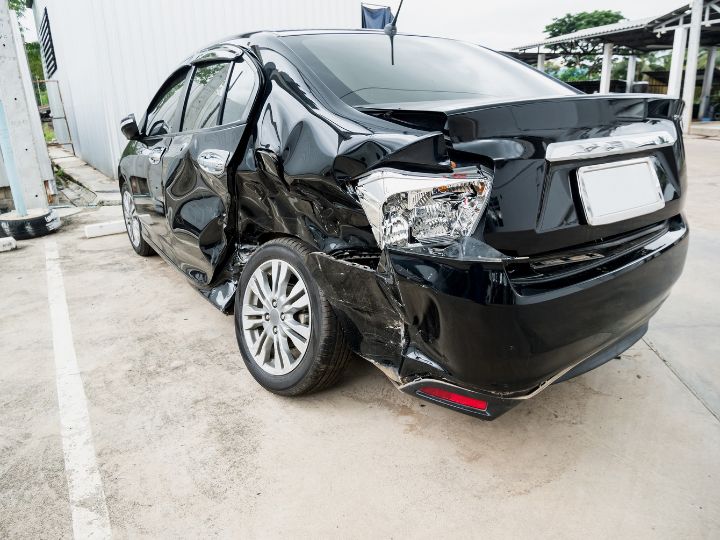
When your vehicle is involved in an accident, understanding the extent and type of damage is crucial for making informed decisions about repairs, safety, and your car’s future value. Two primary categories of automotive damage—frame damage and body damage—require different approaches, costs, and considerations. While they might appear similar to the untrained eye, the distinction between them can mean the difference between a straightforward repair and a complex reconstruction that affects your vehicle’s safety and resale value.
Understanding Your Vehicle’s Structure
Modern vehicles are built with sophisticated structural systems designed to protect occupants and maintain integrity during collisions. The fundamental architecture consists of two main components: the frame (or unibody structure) and the body panels.
The frame serves as the vehicle’s skeleton, providing structural integrity and housing critical components like the engine, transmission, and suspension systems. In traditional body-on-frame construction, this is a separate steel framework. In unibody construction—common in most modern cars—the frame and body are integrated into a single unit, with specific areas designed to absorb and distribute crash forces.
Body panels, on the other hand, are the exterior components that give your vehicle its shape and appearance. These include doors, fenders, hoods, trunk lids, and quarter panels. While important for aesthetics and some protective functions, body panels are generally not load-bearing structural elements.
What Constitutes Frame Damage?
Frame damage occurs when the structural foundation of your vehicle is compromised. This type of damage typically results from significant impacts that exceed the energy absorption capacity of crumple zones and safety features. Frame damage can manifest in several ways:
Structural Misalignment happens when the frame is bent, twisted, or shifted from its original position. Even minor misalignments can affect how the vehicle handles, how other components fit, and the overall safety of the vehicle.
Crumple Zone Damage involves the areas specifically designed to absorb crash energy. When these zones are compromised, they may not function properly in future accidents, reducing the vehicle’s ability to protect occupants.
Mounting Point Damage affects the areas where critical components like the engine, suspension, or steering system attach to the frame. Damage to these points can affect vehicle performance and safety systems.
Stress Fractures are cracks or breaks in the frame material that may not be immediately visible but can weaken the entire structure over time.
Identifying Body Damage
Body damage is generally more visible and affects the exterior appearance of your vehicle. Common types include:
Panel Damage encompasses dents, scratches, and deformation of exterior panels. While these issues affect appearance, they typically don’t compromise structural integrity.
Paint and Finish Damage includes scratches, chips, and areas where the protective coating has been compromised, potentially leading to rust if not addressed.
Component Damage involves non-structural parts like bumpers, mirrors, lights, and trim pieces that can be damaged in accidents.
Cosmetic Misalignment occurs when body panels don’t align properly due to impact, though the underlying structure remains intact.
The Critical Differences
The most significant difference between frame and body damage lies in their impact on vehicle safety and functionality. Frame damage affects the fundamental structure that protects you in an accident and supports all other vehicle systems. When the frame is compromised, the vehicle may not perform as designed in future collisions, potentially putting occupants at greater risk.
Body damage, while often more noticeable, typically doesn’t affect the vehicle’s structural integrity or safety systems. However, this doesn’t mean body damage should be ignored, as it can lead to other problems like rust, water intrusion, or reduced aerodynamic efficiency.
The repair complexity also differs significantly. Body damage repairs often involve replacing or repairing individual panels, which can usually be done without affecting other vehicle systems. Frame repairs require specialized equipment, extensive disassembly, and precise measurements to ensure the structure is restored to manufacturer specifications.
Financial Implications
The cost difference between frame and body damage repairs can be substantial. Body damage repairs might range from a few hundred dollars for minor dents to several thousand for extensive panel replacement. Frame damage repairs, however, often require specialized frame straightening equipment, extensive labor, and may necessitate replacing multiple interconnected components.
Insurance companies evaluate these damages differently as well. Frame damage often results in higher claim amounts and may lead to a vehicle being declared a total loss if repair costs exceed a certain percentage of the vehicle’s value. Additionally, vehicles with frame damage history typically have significantly reduced resale values, even after professional repairs.
Safety Considerations
Frame damage poses serious safety concerns that extend beyond the immediate repair. A compromised frame may not protect occupants effectively in future accidents, as the structural integrity that safety systems depend on has been altered. Modern vehicles are designed with specific crumple zones and energy distribution patterns that can be disrupted by frame damage.
Even professionally repaired frame damage may not restore the vehicle to its original safety specifications. The metallurgy of the frame can be altered by the stresses of the original damage and the heat from welding during repairs. These changes can affect how the frame behaves in future impacts.
Body damage, while generally not affecting immediate safety, can have indirect safety implications. Damaged lights, mirrors, or body panels that obstruct visibility can create hazardous driving conditions. Additionally, compromised paint and protective coatings can lead to rust that may eventually affect structural components.
Detection and Assessment
Identifying frame damage requires professional assessment with specialized equipment. Advanced measuring systems can detect misalignments as small as a few millimeters, which might not be visible to the naked eye but can significantly affect vehicle performance and safety.
Signs that might indicate frame damage include:
- Unusual tire wear patterns
- Vehicle pulling to one side while driving
- Doors, windows, or trunk not closing properly
- Visible gaps or misalignments between panels
- Unusual noises from the suspension or steering
- Difficulty maintaining wheel alignment
Body damage is typically more apparent through visual inspection, though thorough assessment may reveal hidden damage behind visible panels or in areas not immediately obvious.
Repair Approaches
Body damage repairs focus on restoring appearance and protecting against environmental factors. Techniques include paintless dent repair for minor damage, panel replacement for severe damage, and refinishing to restore protective coatings and appearance.
Frame damage repairs require a more comprehensive approach. The process typically involves:
- Complete damage assessment using precision measuring equipment
- Disassembly of affected areas to access the frame
- Frame straightening using hydraulic systems and specialized fixtures
- Welding or replacement of severely damaged sections
- Reassembly and alignment of all components
- Comprehensive quality control testing
Making Repair Decisions
When facing frame damage, several factors should influence your decision-making process. The age and value of your vehicle play a crucial role, as extensive frame repairs on older or lower-value vehicles may not be economically justified. The extent of damage is equally important—minor frame damage might be repairable, while severe structural compromise might warrant replacement.
For body damage, decisions often center on cosmetic preferences and protection against future deterioration. While not immediately safety-critical, body damage should be addressed promptly to prevent rust and maintain vehicle value.
Professional Assessment is Essential
Given the complexity of modern vehicle construction and the potential safety implications of structural damage, professional assessment is crucial for any significant accident damage. Qualified technicians have the tools, training, and experience to accurately diagnose both obvious and hidden damage.
A thorough professional assessment will include detailed measurements, component inspection, and evaluation of all affected systems. This comprehensive approach ensures that all damage is identified and properly addressed, protecting both your safety and your investment.
The Path Forward
Understanding the difference between frame and body damage empowers you to make informed decisions about repairs, insurance claims, and vehicle replacement. While body damage might be more immediately noticeable, frame damage carries more serious long-term implications for safety and vehicle value.
Whether you’re dealing with minor cosmetic damage or major structural issues, working with experienced professionals ensures that repairs are completed to proper standards and your vehicle’s safety and reliability are maintained.
For residents of the St. Louis area dealing with collision damage, Central Auto Body Rebuilders brings decades of family-owned expertise to both frame and body damage repairs. Their experienced technicians understand the critical differences between these damage types and have the specialized equipment necessary to properly assess and repair both structural and cosmetic damage, helping you make the best decisions for your vehicle’s safety and your peace of mind.
Recent Comments